

In the hospitality industry, hotel revenue management frequently carries a negative perception. Many hoteliers equate it with increased prices, stricter rules, and disgruntled guests. However, smart revenue management isn’t about squeezing guests—it’s about aligning price, demand, and value so both your business and your guests win.
Fortunately, you don’t need a complete system overhaul to improve profitability. These ten revenue management strategies can add profit quickly, often using tools and data you already have, while maintaining—or even enhancing—the guest experience.
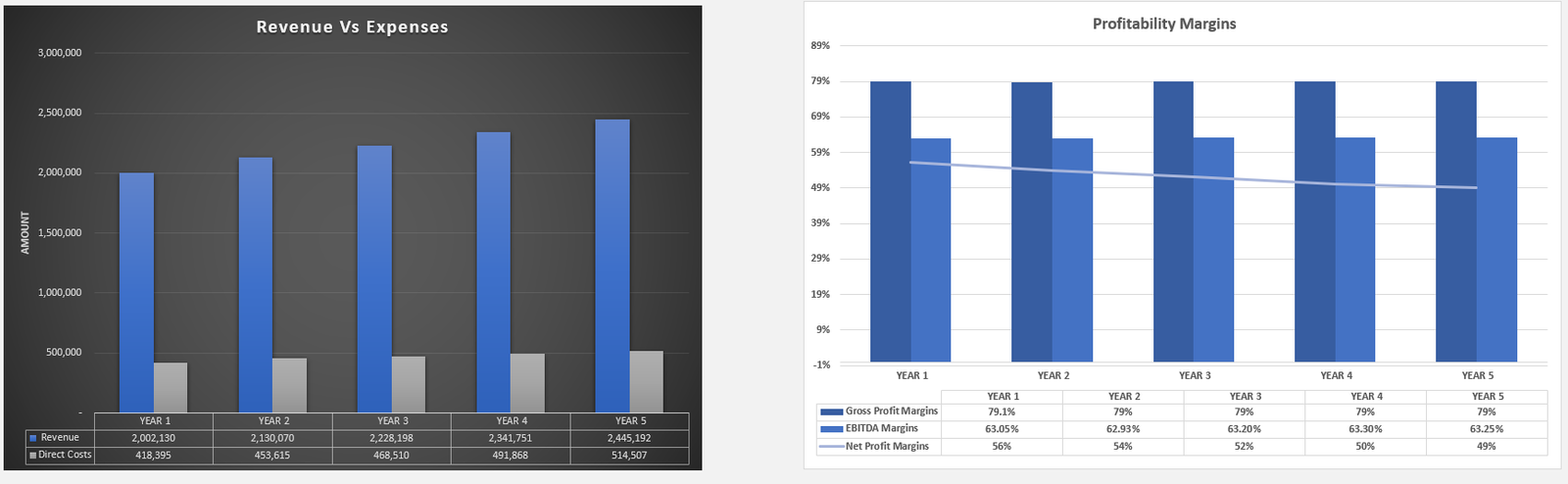
We have also built a Hotel Financial Model Template for Founders and Entrepreneurs to use. Just input your assumptions, and our model does the rest! It’s a complete 3-way financial model with an Income Statement, Balance Sheet, Cash Flow Statement, hotel investment specific metrics, ratios, and more.

1. Stop Underpricing High-Demand Dates
Hotels often lose significant revenue by selling out too cheaply during high-demand dates such as weekends, local events, holidays, and peak seasons. If your ADR remains stagnant despite high occupancy, you’re missing out on profitability.
What to Do
Identify the top 10–20 highest-demand dates from last year, review how early you sold out, and increase rates earlier for similar upcoming dates.
Why Guests Don’t Mind
Guests expect higher prices when demand is strong. As long as service levels match demand, price increases feel reasonable. Consistent value alleviates frustration.
2. Introduce Smart Rate Fences Instead of Flat Discounts
Discounting is straightforward but risky. Flat discounts encourage guests to wait for cheaper prices and devalue your brand. Instead, implement rate fences: conditions that justify a lower price without cheapening your primary rate.
Examples of Effective Rate Fences
- Non-refundable rates
- Advance purchase discounts
- Minimum length of stay
- Package-only offers
Profit Impact
Utilizing rate fences protects your best available rate, improves cash flow, reduces cancellations, and fills rooms predictably. Guests feel empowered by choosing rather than penalized.
3. Fix Your Minimum Length of Stay Strategy
Hotels typically either overuse or avoid minimum length of stay (LOS) restrictions, both costing money.
Smarter LOS Rules
Apply LOS only on peak dates, use two-night minimums for weekends, and drop restrictions if demand softens as the date approaches.
Guest Experience Bonus
Focused LOS rules seem logical, offering flexibility where demand is weaker, benefiting both hotels and guests.
4. Optimize Room-Type Pricing (Not Just Your Base Rate)
Rather than focusing solely on base rates, explore room-type differentials for greater profits.
Quick Wins
Review the price gaps between room categories, increase these differentials during high demand, and avoid gratuitous free upgrades unless necessary.
Example
Guests are often willing to pay more for premium features such as views or extra space, especially for short stays, boosting revenue without escalating costs.
5. Use Strategic Overbooking (Carefully)
Overbooking, when managed properly, is a potent revenue tool.
Why It Works
Cancellations and no-shows are predictable, and empty rooms mean lost revenue.
How to Do It Safely
Use historical data on no-shows and cancellations, overbook by room type, and have a clear walk strategy, like using partner hotels.
Guest Impact
With a secure backup plan, guests remain unaware of overbooking, ensuring comfort.
6. Sell the Stay, Not Just the Room
Guests book experiences, not just rooms. Offering bundled services can enhance revenue alongside perceived value.
High-Impact Packages
- Breakfast-inclusive rates
- Parking or airport transfer bundles
- Spa or dining credits
- Local experience add-ons
Why This Works
Packages reduce price comparisons, increase total spend per stay, and make ancillary revenue predictable. Guests see them as generous rather than opportunistic.
7. Improve Direct Booking Value (Without a Price War)
Lowering direct rates beneath OTA prices can lead to channel conflict. Instead, add value to direct bookings.
Examples
- Free breakfast
- Flexible cancellation
- Room preferences or early check-in
- Loyalty perks
Profit Advantage
Direct bookings save on commissions and provide benefits that cost less than OTA margins, leaving guests feeling rewarded.
8. Reprice More Often (But More Intelligently)
Static pricing is a detriment to profit. Adjust rates dynamically based on demand fluctuations.
Best Practice
Review pricing weekly and adjust rates based on pickup pace, remaining inventory, and market demand.
Guest Experience Angle
Logical, consistent pricing fosters trust, and although rates may vary, guests understand the rationale.
9. Train Front Desk Teams to Support Revenue (Not Undermine It)
Revenue management extends beyond the pricing system—front desk practices directly impact profits.
Common Revenue Leaks
- Gratuitous free upgrades
- Discounting at check-in
- Ignoring paid upsell opportunities
What to Change
Introduce paid upgrade options, ethically incentivize upselling, and educate staff on the significance of pricing, ensuring upselling appears as service, not sales.
10. Measure Profit, Not Just Occupancy
High occupancy with low rates is not success; it equates to exhaustion with thin margins.
Shift Focus to
- Revenue Per Available Room (RevPAR)
- Gross Operating Profit Per Available Room (GOPPAR)
- Net ADR after commissions
Why This Matters
Chasing occupancy often results in over-discounting and operational strain. Instead, balance strategy to safeguard both profit and service quality.
Bringing It All Together
The myth in hospitality is the notion that higher revenue requires compromised guest experiences. In truth, clarity, fairness, and value are paramount.
Implementing the suggested revenue moves adds profit by matching price to demand accurately, reducing discounts, encouraging better guest choices, and enhancing operational predictability. These strategies avoid deceptive pricing, hidden fees, or diminished service quality—they require intention, data, and consistency.
Final Thought: Revenue Management Is Guest Management
When guests comprehend what they’re paying for and why, satisfaction and trust increase. Effective hotel revenue management not only safeguards profitability but ensures a stellar guest experience, reinforcing business health, and service quality. By applying even a few of these strategies, hotels can swiftly and measurably boost profits while maintaining guest satisfaction.
Frequently Asked Questions
Q: How can I implement revenue management without affecting guest satisfaction?
A: Focus on clarifying value and aligning pricing with demand while ensuring that guest experience is at the forefront of any changes.
Q: What are effective hotel revenue management strategies?
A: Utilize dynamic pricing, demand management, and data-driven decision-making to align room rates with consumer behavior and optimize profits.
Q: How does market segmentation impact hotel profitability?
A: Market segmentation allows hotels to tailor strategies to different audience needs, optimizing pricing and occupancy while enhancing the guest experience.