

For many Amazon FBA sellers, advertising feels like a black box. You spend money on pay-per-click (PPC) campaigns, see clicks, impressions, and occasional sales—but are you truly making a return on your investment? Or are you just donating money to Amazon in hopes of generating revenue?
The difference is critical. Treating advertising as a donation is a fast track to eroding margins and cash flow problems. Treating it as an investment, by contrast, can turn Amazon PPC into a strategic growth engine, driving profitable sales and scaling your FBA business sustainably.
In this article, we’ll explore why many sellers fail to see ROI from PPC, how to structure campaigns for true profitability, and practical strategies to ensure every ad dollar contributes to your bottom line. For further insights into these concepts, you can explore a more detailed guide on maximizing profits with PPC.
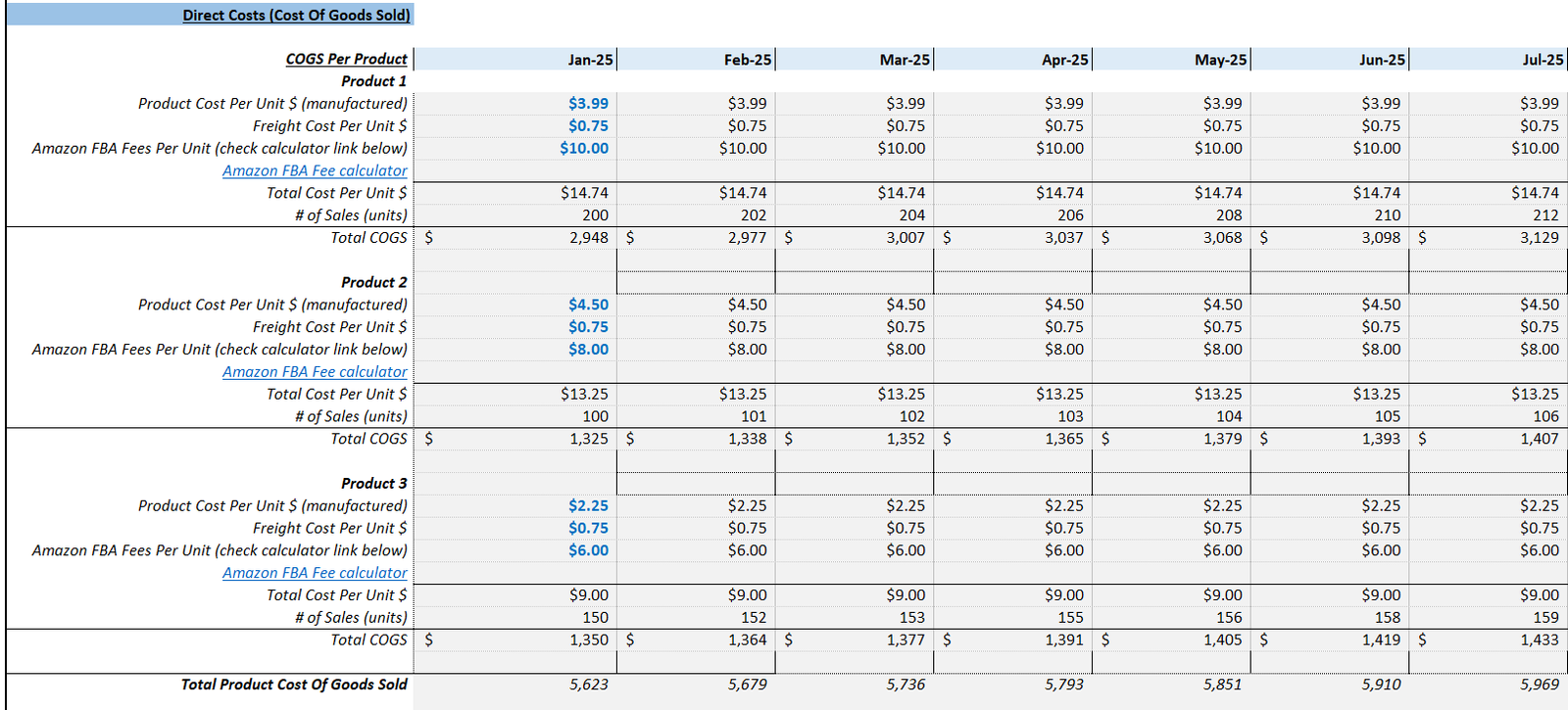
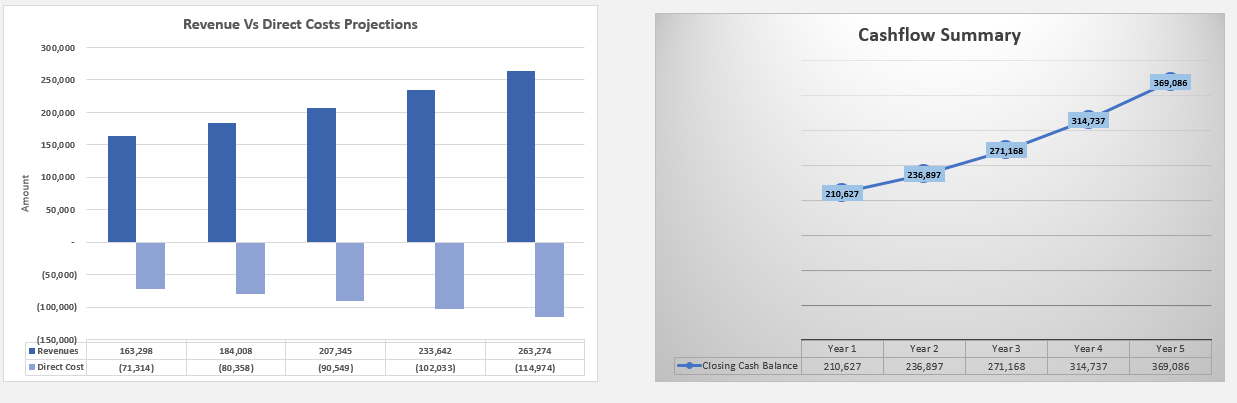
We have also built an Amazon FBA Financial Model template for those looking for a ready-to-go financial model for their business. Just input your businesses assumptions including product details (price, costs etc), and our model will do the rest. Our complete three-way financial model includes an Income Statement, Balance Sheet, and Cash Flow Statement, along with an Inventory Statement to effectively track all your inventory movements too.

The Problem: PPC as a Donation
Many sellers make these common mistakes:
- Focusing Only on Sales VolumeHigh sales may look impressive on reports, but without considering fees, COGS, and PPC spend, a top-selling SKU can still lose money.
- Ignoring Net ProfitACOS (Advertising Cost of Sale) is often tracked against revenue instead of true net profit. A 20% ACOS might seem reasonable, but if your margins are only 25%, you’re barely breaking even.
- Lack of SKU-Level StrategyTreating all products the same leads to over-investment in low-margin SKUs and under-investment in high-margin SKUs.
- Blind BiddingAggressive auto-bidding and broad campaigns can generate clicks, but many are irrelevant or low-converting, wasting cash.
- No Attribution AnalysisSellers often fail to recognize the full customer journey. PPC may assist sales indirectly, but results aren’t being tracked holistically. For more on understanding PPC’s profitability, this article provides a comprehensive overview.
Step 1: Track PPC ROI by True Net Profit, Not Revenue
Before optimizing campaigns, you must know the real cost of each sale.
Key Elements to Consider:
- Product cost (COGS)
- Amazon referral and FBA fees
- PPC spend per sale
- Returns or refunds
True net profit per sale = Selling price – COGS – FBA fees – PPC cost – refunds
Example:
- Selling price: $25
- COGS: $8
- FBA fees: $5
- PPC cost: $4
- Net profit: $8
Even if your PPC generates $25 sales, only $8 truly contributes to profit.
Actionable Tip:
Always calculate net ACOS (PPC spend as a percentage of net profit, not revenue). If net ACOS exceeds net profit, you’re losing money—even if sales are high. For further strategies, the article on Amazon PPC in the UK offers additional tips.
Step 2: Segment Campaigns by SKU Margin
Not all products are created equal. Treating low- and high-margin SKUs the same in PPC campaigns is a common pitfall.
Strategy:
- High-Margin Products
- Aggressive advertising is justified
- Experiment with new keywords and placements
- Focus on maximizing share of voice
- Low-Margin Products
- Limit ad spend
- Target only highly relevant, converting keywords
- Consider organic growth strategies before paid campaigns
By segmenting campaigns, you ensure ad dollars are invested where they create the most profit, not just volume.
Step 3: Optimize Keyword Strategy
Keywords are the foundation of Amazon PPC. Poor keyword targeting is a major source of wasted spend.
Best Practices:
- Use manual campaigns alongside auto campaigns to control targeting
- Identify high-converting keywords from auto campaigns and move them to manual
- Remove low-performing or expensive keywords
- Focus on relevance, intent, and profitability, not just traffic volume
For insights into setting your PPC strategy, you might find the article on PPC setups useful.
Step 4: Use Negative Keywords Strategically
Negative keywords prevent your ads from showing for irrelevant searches.
- Reduces wasted spend
- Improves conversion rate
- Improves overall ACOS
Tip: Regularly review search term reports and update negative keyword lists weekly. This ensures every click has a high probability of converting.
Step 5: Align Bids with Profitability
Many sellers set bids based on market competitiveness rather than true ROI.
Approach:
- Calculate maximum CPC based on profit per sale
- Adjust bids by SKU profitability, seasonality, and conversion rate
- Avoid overbidding on low-margin products
Example:
- Net profit per sale: $8
- Target ACOS: 50%
- Maximum PPC spend per click: $4
Bidding above $4 on clicks for this SKU would turn ads from an investment into a donation. For more tactical approaches, see the Amazon PPC guide.
Step 6: Optimize Campaign Structure
Poorly structured campaigns reduce efficiency and increase cost. Consider:
- Separate campaigns by product and margin – Easier performance tracking and bid adjustments
- Use campaigns by match type – Exact match campaigns have higher conversion rates; broad match campaigns can be used strategically for discovery
- Test placement targeting – Sponsored Product Ads, Sponsored Brand Ads, and Sponsored Display Ads have different cost dynamics and conversion behaviors
Well-structured campaigns maximize ROI while minimizing wasted spend.
Step 7: Monitor and Optimize Continuously
PPC isn’t set-and-forget. Market conditions, competitor behavior, and customer demand constantly change.
Optimization Practices:
- Daily or weekly review of ACOS and net profit contribution
- Pause or adjust underperforming campaigns or keywords
- Increase bids on high-performing keywords and high-margin SKUs
- Adjust budgets to reflect seasonality and inventory levels
Continuous monitoring ensures that every ad dollar works harder for profit.
Step 8: Consider Assisted Conversions
Many sellers underestimate the impact of assisted sales—when PPC ads contribute indirectly to purchases via organic search or repeat customers.
- Track multi-touch attribution when possible
- Consider the lifetime value of repeat buyers driven by ads
- Include assisted conversions in ROI calculations
While harder to quantify, recognizing assisted ROI prevents underinvestment in campaigns that truly drive value.
FAQs About Amazon PPC
What is a Good ACOS for Amazon PPC?
A good ACOS depends on your profit margins but generally falls between 15-30%. However, focus on net ACOS tied to net profit.
How Can I Reduce PPC Expenses?
Optimize campaigns by segmenting by SKU margin, using relevant keywords, and leveraging negative keywords to avoid wasted spend.
Is Amazon PPC Worth It?
Amazon PPC can be highly profitable if treated as an investment. Effective targeting and continual optimization play key roles in achieving ROI.