

For Amazon FBA sellers, sales growth often feels exhilarating. Your products are flying off the virtual shelves, reviews are pouring in, and revenue is climbing. But there’s a hidden challenge many new and even experienced sellers overlook: cash flow timing.
Amazon doesn’t release funds immediately. Even with fast-selling products, you may be waiting 7–14 days or more for payouts to hit your bank account. Delays in disbursement, coupled with upfront inventory costs, advertising spend, and FBA fees, can create a cash flow crunch—even in a business that appears profitable on paper.
Cash flow is the lifeblood of your Amazon FBA business. Without proper management, delayed payouts can lead to missed supplier payments, lost inventory opportunities, or even account suspension. In this article, we’ll explore strategies to manage cash flow proactively in a delayed-payout environment and ensure your business scales sustainably.
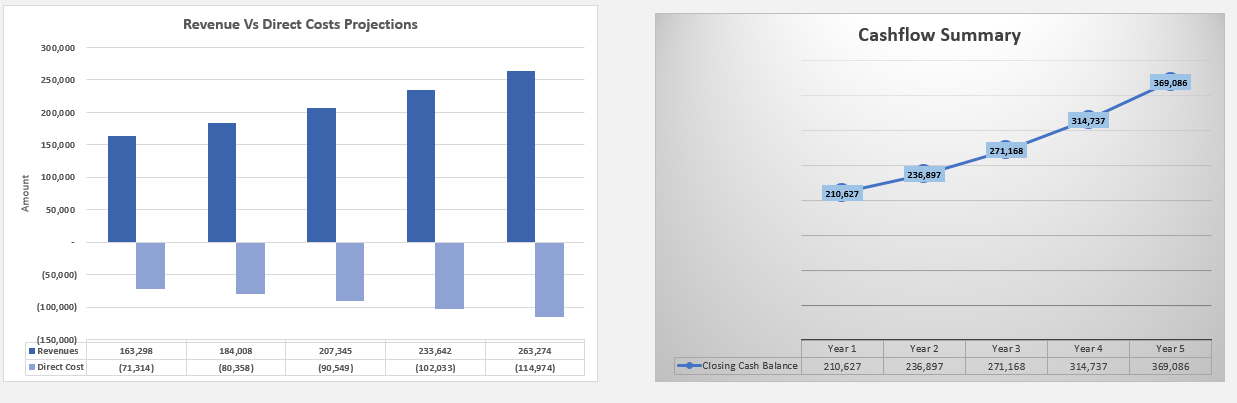
We have also built an Amazon FBA Financial Model template for those looking for a ready-to-go financial model for their business. Just input your businesses assumptions including product details (price, costs etc), and our model will do the rest. Our complete three-way financial model includes an Income Statement, Balance Sheet, and Cash Flow Statement, along with an Inventory Statement to effectively track all your inventory movements too.

Understanding the Cash Flow Challenge for FBA Sellers
Amazon FBA sellers face several unique cash flow challenges:
- Delayed Payouts
- Standard disbursement cycles typically range from 7–14 days, depending on account history and region.
- For new sellers, Amazon may hold funds for up to 14–21 days to mitigate risk.
- Upfront Inventory Costs
- Inventory must be purchased, shipped, and sent to Amazon before sales revenue materializes.
- Capital is tied up in stock long before the corresponding revenue is collected.
- Advertising Expenses
- Amazon PPC and external advertising often require upfront payment.
- Ad spend may not be recouped immediately, creating a gap between cash outflow and inflow.
- Operational Expenses
- Packaging, labeling, fulfillment prep, returns processing, and software subscriptions are all costs incurred before revenue hits the bank.
- Amazon Fees
- FBA fulfillment, storage, referral fees, and returns fees are deducted from your revenue but reflected in your account balance only after payout.
Even profitable sellers can struggle if cash inflows and outflows aren’t carefully monitored.
Step 1: Map Your Cash Flow Timeline
Before managing cash flow, you need to understand exactly when money comes in and goes out.
Key Components to Track:
- Inventory procurement timeline – From order placement to arrival at Amazon fulfillment centers
- Production and shipping costs – Including freight, customs, and prep fees
- Advertising and marketing spend – Upfront costs per SKU
- Amazon disbursement schedule – Average days from sale to payout
- Operational expenses – Packaging, labeling, software, and labor
Actionable Tip:
Create a cash flow calendar showing expected outflows and inflows by day or week. This allows you to anticipate shortfalls before they become critical. For a comprehensive approach, you can refer to the Amazon Cash Flow Management for Sellers guide.
Step 2: Forecast Sales and Cash Needs
Accurate forecasting is the backbone of cash flow management.
Sales Forecasting:
- Use historical data to predict sales volume by SKU
- Account for seasonality and promotional spikes
- Include lead times for inventory replenishment
Cash Flow Forecasting:
- Map revenue against expected expenses
- Consider FBA fee deductions, PPC costs, and Amazon payout delays
- Identify periods where cash outflow exceeds inflow
To learn more about forecasting effectively, check out How Amazon Sellers Can Forecast Their Cash Flow.

Step 3: Optimize Inventory Management
Inventory ties up cash. Poor planning can lead to excess stock or stockouts, both of which hurt cash flow.
Strategies to Optimize Inventory:
- Just-in-Time Replenishment
- Order smaller batches more frequently to reduce upfront costs.
- Prioritize Fast-Moving SKUs
- Allocate capital to products with the quickest turnaround.
- Negotiate Supplier Terms
- Extend payment terms with suppliers to better align with Amazon payouts.
- Avoid Overbuying During Promotions
- Only purchase quantities that match realistic forecasted demand.
Learn about managing inventory effectively and avoid severe cash flow disruptions with Payment delays killing cash flow for FBA sellers.

Step 4: Leverage Short-Term Financing Wisely
For some sellers, delayed payouts may create temporary cash shortfalls. Short-term financing options can help bridge the gap—but must be used strategically.
Options:
- Amazon Lending – Loans based on your sales history.
- Business Line of Credit – Flexible access to funds for inventory or ads.
- Credit Cards – For smaller, manageable expenses with rewards.
Caution:
- Avoid over-leveraging, especially on low-margin SKUs.
- Ensure the cost of financing does not exceed expected profit.
Financing is a tool, not a solution—your goal should always be to improve cash flow through operational efficiency first.
Step 5: Optimize Advertising for Cash Flow
Amazon PPC is critical for driving sales, but mismanaged campaigns can create a negative cash cycle.
Best Practices:
- Monitor ACOS Against Cash Flow, Not Revenue
- Calculate the real cost of ads after FBA fees and production costs.
- Focus on High-Margin SKUs
- Avoid spending heavily on low-margin products that may erode cash.
- Schedule Campaigns Strategically
- Align ad spend with payout timing to avoid simultaneous cash outflows.
For smart advertising adjustments, explore the Amazon Payments Seller Central: 7-Figure Cash Flow Guide.
Step 6: Negotiate Payment Terms with Suppliers
Delayed payouts mean you’re essentially financing your own inventory. Extending supplier terms can relieve pressure:
- Request Net 30–60 or Net 90 payment terms.
- Split orders into smaller shipments with staged payments.
- Build relationships with suppliers to secure better terms as your volume grows.
Aligning supplier payments with Amazon payout cycles smooths the cash flow curve. This strategy is discussed more in-depth in The Hidden Cash Flow Challenge of Marketplace Sellers.
Step 7: Reduce Operational Overhead
Operational costs can be adjusted quickly to protect cash:
- Automate labeling, prep, and shipping where possible.
- Consolidate shipments to reduce shipping and handling costs.
- Track software subscriptions and eliminate unused tools.
- Outsource non-critical tasks on a flexible basis.
Lowering operational overhead increases available cash during delayed payout periods. For more insights, you can also check Keeping Your Cash Flow Moving – A Step-by-Step Guide.
Frequently Asked Questions
What are the effects of Amazon’s delayed payments on sellers?
The delayed payouts impact cash flow, making it difficult for sellers to cover inventory and operation costs promptly. Strategies to mitigate these effects include accurate cash forecasting and inventory management. Read more on the topic at the DD+7 Amazon Payout Policy Explained.
How can sellers manage their cash flow while expanding into new markets?
Diversifying sales channels and optimizing existing ones can maintain cash flow. Managing multi-marketplace operations effectively is key, and guidance can be found in the How can Amazon sellers manage multi-marketplace revenues article.
Why is cash flow management a competitive advantage?
Efficient cash flow management allows sellers to capitalize on growth opportunities without monetary constraints, giving them a strategic upper hand in the market.